Ethiopia Kelloo Banko Gotiti
Ethiopia Kelloo Banko Gotiti
Couldn't load pickup availability
Delicate and layered, with apricot and bright grapefruit freshness, and a floral tea character in the finish. A washed heirloom lot from Banko Gotiti in Ethiopia's Gedeb woreda. It's great for filter, and the sweetness comes out more when the cup cools down a bit.
| Variety | Heirloom |
| Processing | Washed |
|
Altitude |
1,950–2,100 masl |
| Origin |
Gedeb, Yirgacheffe |
| Bag size | 220g |
Origin: Banko Gotiti Station, sourced via Monochrome General Trading LLC
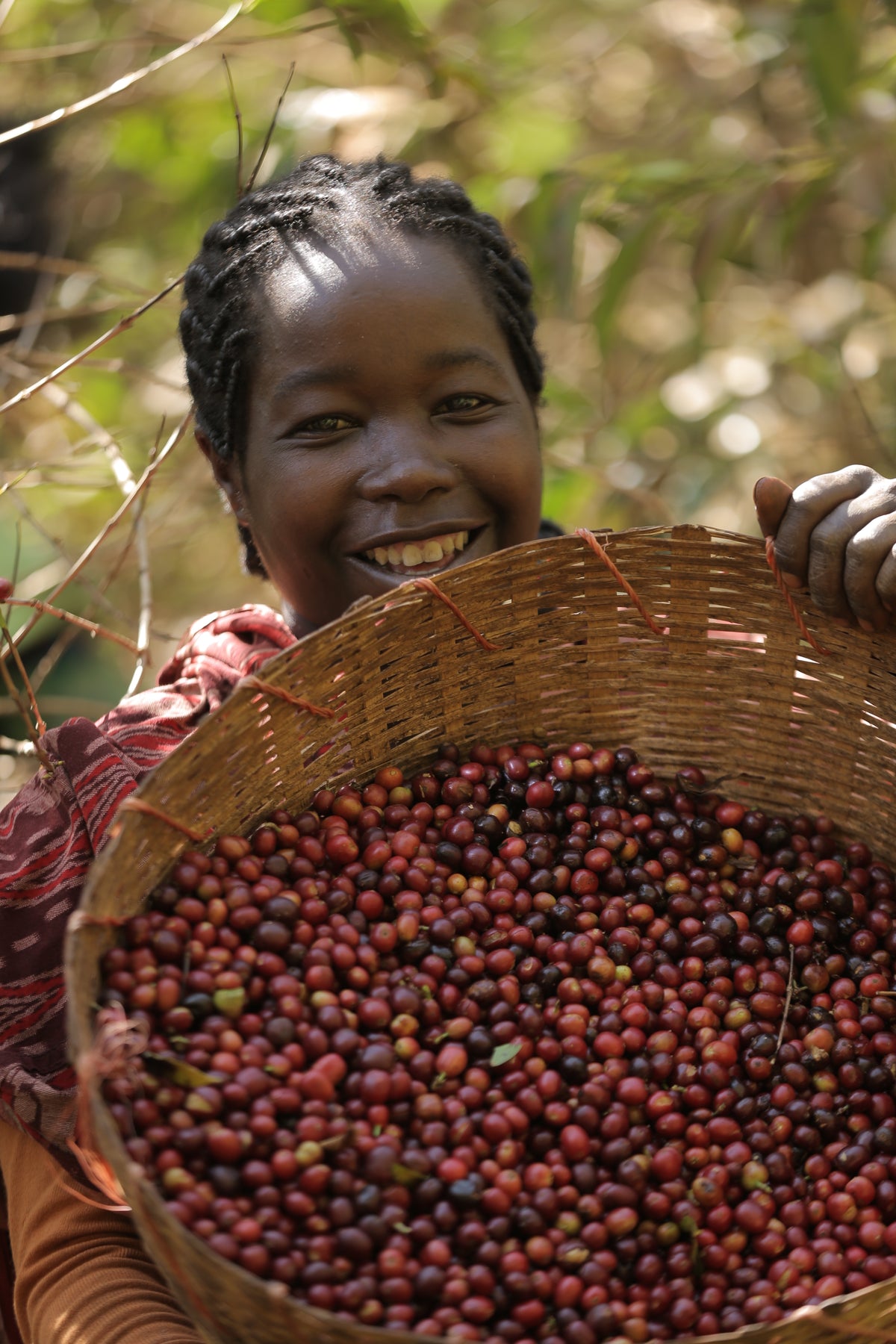
This coffee is processed at the Banko Gotiti washing station, from cherries harvested by surrounding smallholders. It's sourced through one of our suppliers, Monochrome General Trading LLC.
The Banko Gotiti washing station was established in 2009 and is located in the Gedeb woreda of Ethiopia's Gedeo zone. It collects cherries from smallholder farms, each around 2 hectares in size, totaling roughly 1,300 hectares. Most of these farms sit at elevations of 1,950–2,100 metres above sea level. The name Banko Gotiti refers to a specific coffee profile associated with the area.
Coffee here is shade-grown and intercropped with agroforestry, with farmers growing indigenous trees and false banana alongside their coffee plants. The station's current factory manager is Museyid Sermelo. Our supply is facilitated through BNT Industry & Trading PLC, which operates its own warehouse and dry mill and holds Rainforest Alliance certification.
Harvest & Post-Harvest
Immature and overripe cherries are sorted out during quality inspection before pulping. An Agaard machine separates the cherries by density, without the use of flotation tanks. Mucilage is removed by fermenting the pulped cherries for 36 to 48 hours, depending on the weather, and parchment is graded in the washing channel during washing before soaking for 30 minutes to an hour. Wastewater is not treated but kept in a lagoon, and groundwater is used throughout the process.
The coffee is then dried on African raised beds for about 10 to 15 days. During the day, it's raked continuously for even drying, covered from 12 to 3pm to protect it from the strongest sun, and covered again at night to guard against rainfall. Once dry, the parchment is stored in a warehouse on bamboo pallets in jute bags for one month.
When processed as a natural, cherries are picked, sorted, and sun-dried directly on the same African raised beds.
Share